
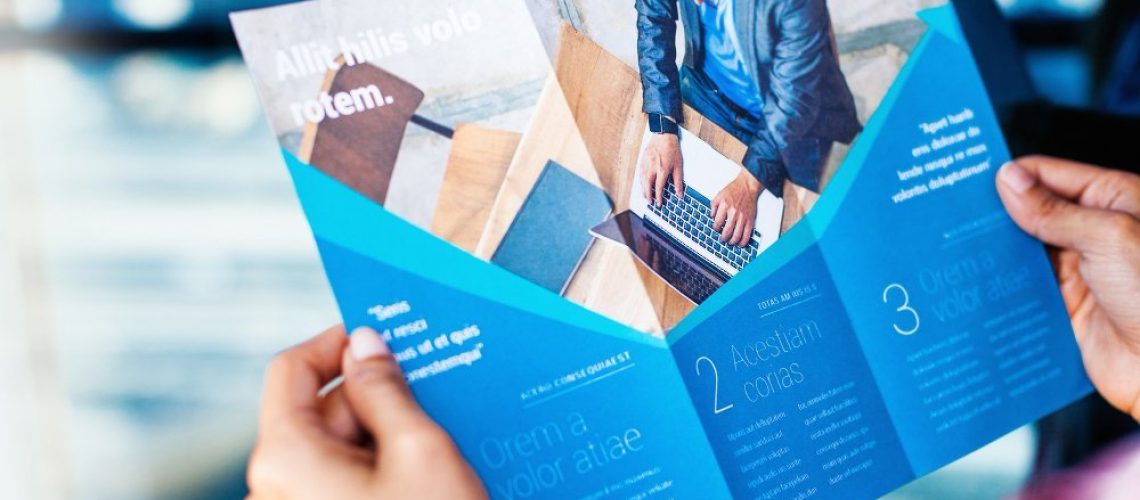
Various Factors of Concern in Flyer Printing
Flyers remain one of the most cost‑effective tools for marketing and communication. Whether you’re promoting an event, launching a product, or spreading awareness, a well‑printed flyer can make a big impact. To achieve the best results, there are several important factors to consider during the printing process.
Design and Layout
- Keep the design clean and easy to read.
- Use bold headlines and clear sections to guide attention.
- Balance text and visuals so the flyer doesn’t feel cluttered.
Image and Graphic Quality
- Always use high‑resolution images to avoid blurriness.
- Ensure graphics align with your brand identity.
- Avoid overloading the flyer with too many visuals.
Content and Messaging
- Keep the message short, direct, and engaging.
- Highlight the most important details: date, time, location, or offer.
- Include a clear call‑to‑action (CTA) such as “Visit us today” or “Call now.”
Paper and Finish
- Choose paper stock that matches your purpose — lightweight for mass distribution, premium for professional events.
- Glossy finishes enhance vibrant colors, while matte finishes give a sophisticated look.
- Consider size and fold options depending on how much information you need to include.
Printing Quality
- Ensure colors are sharp and consistent.
- Work with a reliable printing partner who uses modern technology.
- Review proofs carefully before final printing to avoid costly mistakes.
Want to learn more about creating flyers that truly stand out? Read our latest blog post today.”
Why you should choose Powerstride?
At Powerstride, we combine creativity, technology, and precision to deliver printing solutions that make your brand shine. From brochures and flyers to packaging and signage, our focus is on quality, speed, and flexibility. With personalized support and modern printing innovations, we’re more than a service provider — we’re your partner in turning ideas into impactful results.
3 Comments
Variations in the floor plan, window location, and interstitial outdoor spaces enhance this material homogeneity. The goal was to produce a unified whole using a modern design language, where attention to materiality and detail is evident. All flats have two sides and are in close proximity to the outside world.
Variations in the floor plan, window location, and interstitial outdoor spaces enhance this material homogeneity. The goal was to produce a unified whole using a modern design language, where attention to materiality and detail is evident.
Variations in the floor plan, window location, and interstitial outdoor spaces enhance this material homogeneity. The goal was to produce a unified whole using a modern design language, where attention to materiality and detail is evident. All flats have two sides and are in close proximity to the outside world.